
Bleak Faith Animation Controversy: Indie Devs Face Asset Store Pitfalls in 2026
Indie game developers face a critical dilemma with digital asset marketplaces as Bleak Faith: Forsaken's animation controversy exposes industry risks.
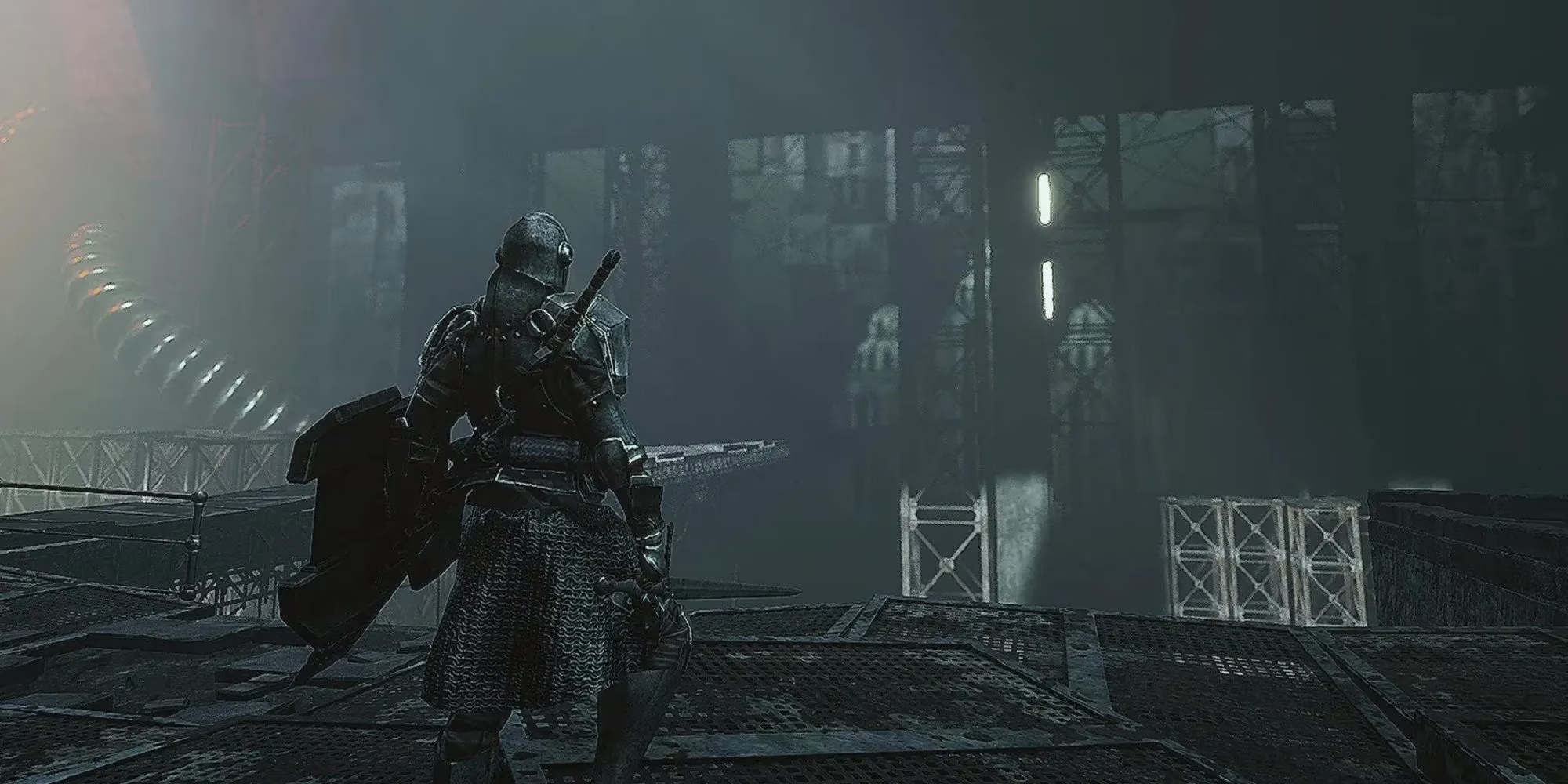
In the ever-evolving landscape of indie game development, a recent controversy surrounding Archangel Studios' action RPG Bleak Faith: Forsaken has reignited critical conversations about digital asset marketplaces and creator responsibility. The situation unfolded when sharp-eyed players and modders discovered that several combat animations in the newly released souls-like title bore a striking, near-identical resemblance to animations from FromSoftware's acclaimed titles, Elden Ring and Dark Souls 3. What initially appeared to be a clear case of intellectual property theft turned out to be a more complex and systemic issue, exposing the murky waters of third-party asset stores.
The Heart of the Controversy: "It's a Real Catch-22"
The core of the issue wasn't a developer intentionally cutting corners, but rather a purchase made in good faith that went sideways. Archangel Studios had procured the animations in question from the Epic Games Marketplace, a major digital storefront where developers can buy and sell game assets. The studio operated under the common, yet as it turns out, flawed assumption that assets listed on such a prominent platform were legitimate and cleared for commercial use. Talk about a major facepalm moment for the entire system. When side-by-side comparison videos went viral, showcasing the uncanny similarities, the internet was quick to point fingers. However, Archangel's subsequent statement revealed they were just as much a victim of a broken verification chain.
Epic Games' Response: Passing the Buck?
Facing mounting pressure, Archangel Studios reached out to Epic Games for clarification and resolution. The response they received, which they later made public, became a focal point of the debate. Epic's stance was one of limited liability. The company stated that its marketplace hosts numerous third-party sellers and that it is primarily the seller's responsibility to guarantee they own the rights to the assets they are selling. Epic explicitly noted it is "not in a position to independently verify such rights" and "makes no such guarantee to purchasers of the content." For a small indie team like Archangel, this response was, in their own words, "not satisfactory." It highlighted a significant gap in consumer protection on platforms that profit from these transactions.
The Developer's Pivot and Industry Warning
Despite the unsatisfactory corporate response, Archangel Studios took the high road. Committing to transparency, they announced a plan to replace all the contested assets "over the next several days." They confirmed that initial patches had already begun this process, with more comprehensive updates to follow swiftly. Their concluding message served as a stark warning to fellow indie creators. They asserted that "assets on these storefronts seemingly cannot be purchased in good faith," urging extreme caution. This incident underscores a brutal truth for small teams: the onus of due diligence falls entirely on the buyer, even when purchasing from what appears to be a reputable source. It's a total nightmare scenario for any bootstrapped studio.
A Look at Bleak Faith: Forsaken
Beyond the controversy, Bleak Faith: Forsaken is a title that carved its own niche in the crowded souls-like genre. Released in March 2023, it offered players:
-
Deep Character Customization: Allowing for tailored combat and aesthetic approaches.
-
Unforgiving, Methodical Combat: A staple of the genre it pays homage to.
-
Innovative Mechanics: Integrating elements like stealth and climbing to differentiate itself from its inspirations.
The game's ambition was clear, making the asset issue an unfortunate shadow over its launch.
The Lasting Impact and Lessons for 2026
As we move through 2026, this case remains a critical study in digital ethics and platform accountability. The incident sparked discussions far beyond a single game, leading to:
| Stakeholder | Key Takeaway |
|---|---|
| Indie Developers | Must perform exhaustive, independent checks on purchased assets, regardless of the marketplace. |
| Asset Marketplaces | Face growing calls for better vetting processes and buyer protection policies. |
| The Gaming Community | Learned to consider the complex supply chain behind game development before rushing to judgment. |
The saga of Bleak Faith is a classic "buyer beware" tale for the digital age. It's a wake-up call that in the rush to create and compete, the foundational tools of development must be scrutinized with a detective's eye. For indie devs everywhere, the message is clear: trust, but verify—and then verify again. The road to creating your magnum opus is paved with potential pitfalls, and sometimes, the most dangerous ones are hiding in plain sight on a trusted storefront.