
Elden Ring Nightreign: Three Players, One Nightlord, Zero Chill
ELDEN RING NIGHTREIGN is a multiplayer co-op action survival game where Nightfarers battle shifting Limveld, brutal bosses, and the Nightlord.
In the grand tradition of FromSoftware making players suffer with a smile, 2025 saw the release of ELDEN RING NIGHTREIGN, a standalone multiplayer co-op action survival game that takes the familiar punishment of the Lands Between and condenses it into a frantic three-day cycle. Now, in 2026, it's still ruining friendships and causing sleepless nights—ironically, given the name. The game isn't a sequel or a DLC; it's a parallel universe where three players (or one brave fool) team up as Nightfarers to fight against an ever-changing world and a big bad called the Nightlord. Think of it as Elden Ring's chaotic cousin who shows up uninvited, brings a roguelike deck, and insists on playing until dawn.
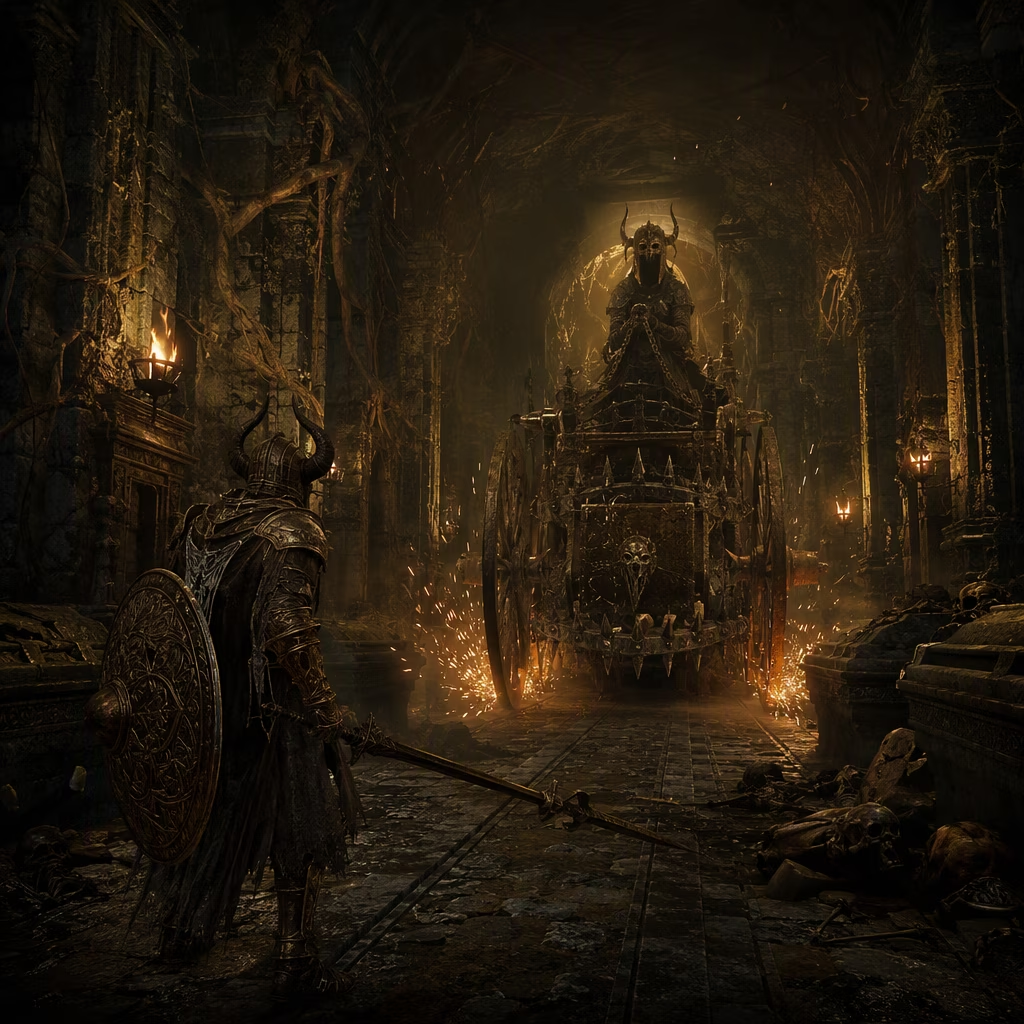
What Exactly Is Nightreign?
Developed by FromSoftware and published by Bandai Namco, Nightreign is a multiplayer-focused return to the Roundtable Hold—but not the one you remember. It's set in a universe parallel to the events of Elden Ring, so don't expect the same story. Instead, players choose from eight unique characters, each with their own abilities and powerful Ultimates. These aren't your standard Tarnished; they're Nightfarers, and they're here to survive.
The core loop is simple: team up in squads of three (or dare to go solo), drop into Limveld, and try to outlast a three day-and-night cycle. Each day, the map shifts and the Night's Tide shrinks the playable area, forcing players to make split-second decisions about combat and exploration. At the end of each night, a powerful boss appears. Defeat it, and you wake up to even bigger challenges. Fail, and you get relics to upgrade your character for next time. So even failure is progress—just like real life, except with more runes.
The Nightfarers: Eight Flavors of Pain
The game offers eight unique characters, each with distinct abilities and Ultimates. While we could list them all, that would spoil the fun of discovering which one fits your playstyle. Instead, here's a handy table to summarize what you need to know:
| Aspect | Details |
|---|---|
| Number of characters | 8 |
| Unique abilities | Yes, each has their own |
| Ultimates | Powerful, game-changing |
| Solo play | Possible, but lonely and hard |
| Co-op play | Recommended, because misery loves company |
The beauty of Nightreign is that cooperation isn't just encouraged—it's essential. Combining abilities can turn the tide of battle, and a well-timed Ultimate can mean the difference between victory and a one-way trip to the loading screen. Nightfarers must learn to work together, or they'll be working together in the afterlife.
Limveld: The Map That Hates You
Limveld is the ever-changing map where each session takes place. It's not a static open world; it's more like an open-air dungeon that rearranges itself every time you play. Enemies, rewards, and the terrain itself shift, so you'll never experience the same journey twice. This roguelike element keeps things fresh, but it also means you can't rely on memorizing enemy placements. Instead, you have to adapt, improvise, and occasionally scream into your headset.
The Night's Tide is the game's way of saying "hurry up." As the cycle progresses, the safe area shrinks, pushing players toward conflict and away from leisurely exploration. If you dawdle, you'll be swallowed by the darkness—or worse, forced into a boss fight unprepared. So grab your runes, find a Site of Grace, and level up before it's too late.
The Three-Day Cycle: A Survival Guide
Each session follows a predictable yet brutal structure. Here's how it breaks down:
| Day/Night | What Happens |
|---|---|
| Day 1 | Explore, fight enemies, find loot, level up at Sites of Grace. |
| Night 1 | Face a powerful boss. Win, and you advance. Lose, and you get relics. |
| Day 2 | Map shifts, enemies get tougher, rewards get better. |
| Night 2 | Another boss, stronger than the last. |
| Day 3 | Final day. Prepare for the ultimate challenge. |
| Night 3 | Face the Nightlord. Victory means glory; defeat means relics and a lesson. |
The third night is the climax. The Nightlord is the big bad, and defeating it requires teamwork, skill, and maybe a little luck. But even if you fail, you'll earn relics that let you customize and upgrade your character. So every run, win or lose, makes you stronger. It's a forgiving system in an otherwise unforgiving game.
Why It's Unlike Anything FromSoftware Has Done
Nightreign is a condensed action RPG with roguelike elements. It's not a 100-hour epic; it's a session-based adventure that you can complete in a few hours (if you're good). Each run is akin to playing through an open-air dungeon, with opportunities to grow lasting stat bonuses. The game rewards exploration and risk-taking: defeating greater enemies and venturing into dangerous areas yields more powerful weapons and greater Rune rewards.
But the real innovation is the multiplayer focus. Sure, you can play solo, but strength comes in numbers. Combining unique abilities and Ultimates creates an unparalleled experience in the Elden Ring universe. And because the map and enemies change every session, you'll never get bored—or comfortable.
Final Thoughts (and a Warning)
ELDEN RING NIGHTREIGN launched in 2025 for PlayStation 5, PlayStation 4, Xbox Series X|S, Xbox One, and PC via Steam. By 2026, it's become a staple for co-op groups looking for a challenge that doesn't require a 100-hour commitment. It's fast, brutal, and endlessly replayable.
So if you thought Elden Ring was too easy, Nightreign will humble you. But at least you can blame your teammates when you die. And if you're flying solo, well, good luck—you'll need it. Just remember: the night is dark and full of terrors, but also relics. So keep dying, keep upgrading, and eventually, you'll take down that Nightlord. Or you'll rage-quit and play something relaxing, like Dark Souls. 😉