
I Spent 2025 Measuring Videogame Characters and I Have No Regrets
Videogame character height gets wonderfully weird, from Quake’s tiny Ranger to Elden Ring Nightreign’s mechanical proportions and VR accessibility.
In 2025 I developed a deeply silly obsession: the height of videogame characters. Not for personal reasons, professional reasons, or any reason a therapist would call healthy. It began with a YouTube investigation by Zullie the Witch, a FromSoftware savant who pointed out that every FromSoftware protagonist outside Elden Ring Nightreign is exactly 5-foot-7. I had always assumed these dodge-rolling warriors were taller. Probably because Anglo-American entertainment media programmed my brain to file heroic archetypes under tall, dark, and handsome. Learning they were the same height as me was weirdly humbling. Now, in 2026, I still catch myself checking whether NPCs are standing on boxes.
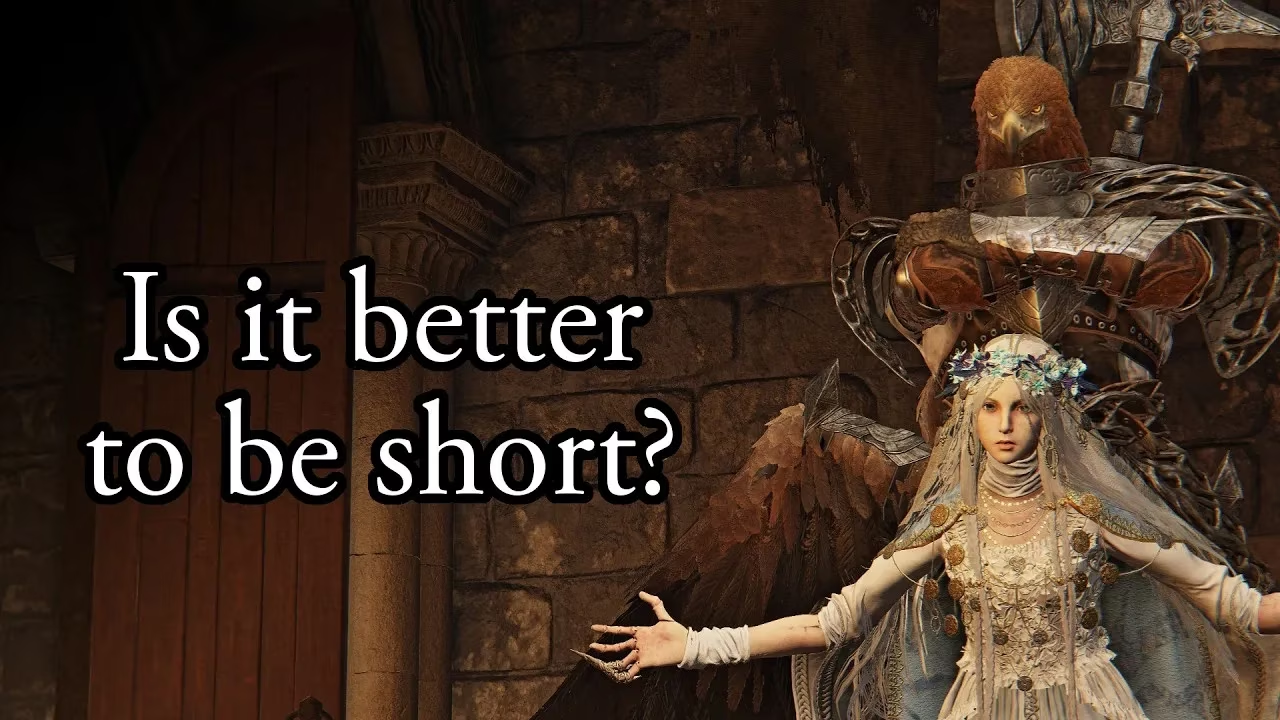
The 5-foot-7 Conspiracy 📏
Once you notice character height, you cannot stop. It is like learning that every door in a sitcom is slightly too short or that every coffee cup in a game is the size of a barrel. My brain went on a tangent so bizarre that I bothered Romain Barrilliot, an Arkane Studios level designer and director of The Black Parade, to help me work out Garrett's height in Thief. The answer is gloriously inconsistent.
| Game | Garrett height | Notes |
|---|---|---|
| Thief: The Dark Project | 6-foot | Exactly six feet, allegedly |
| Thief 2: The Metal Age | Slightly taller | Extra inches may be purely cosmetic |
| Thief (2014) | 5-foot-5 | A significantly shorter reboot |
And then there is the original Thief, where Garrett is a giant poo-coloured cuboid. Since we never see him during play, Looking Glass never bothered to give him a proper character model. No wonder guards are so shocked when they discover him skulking around. He is not a master thief; he is a haunted wardrobe with a lockpick.
Quake's Tiny Ranger and the Giant Levels 🎮
We rarely think about character height because worlds are usually built relative to that height, even when the numbers are deliberately out of whack. Quake's avatar, Ranger, is a puny 3-foot-5. That makes its levels feel enormous and foreboding as you rattle through them. You are not a space marine; you are a very angry garden gnome with a rocket launcher.
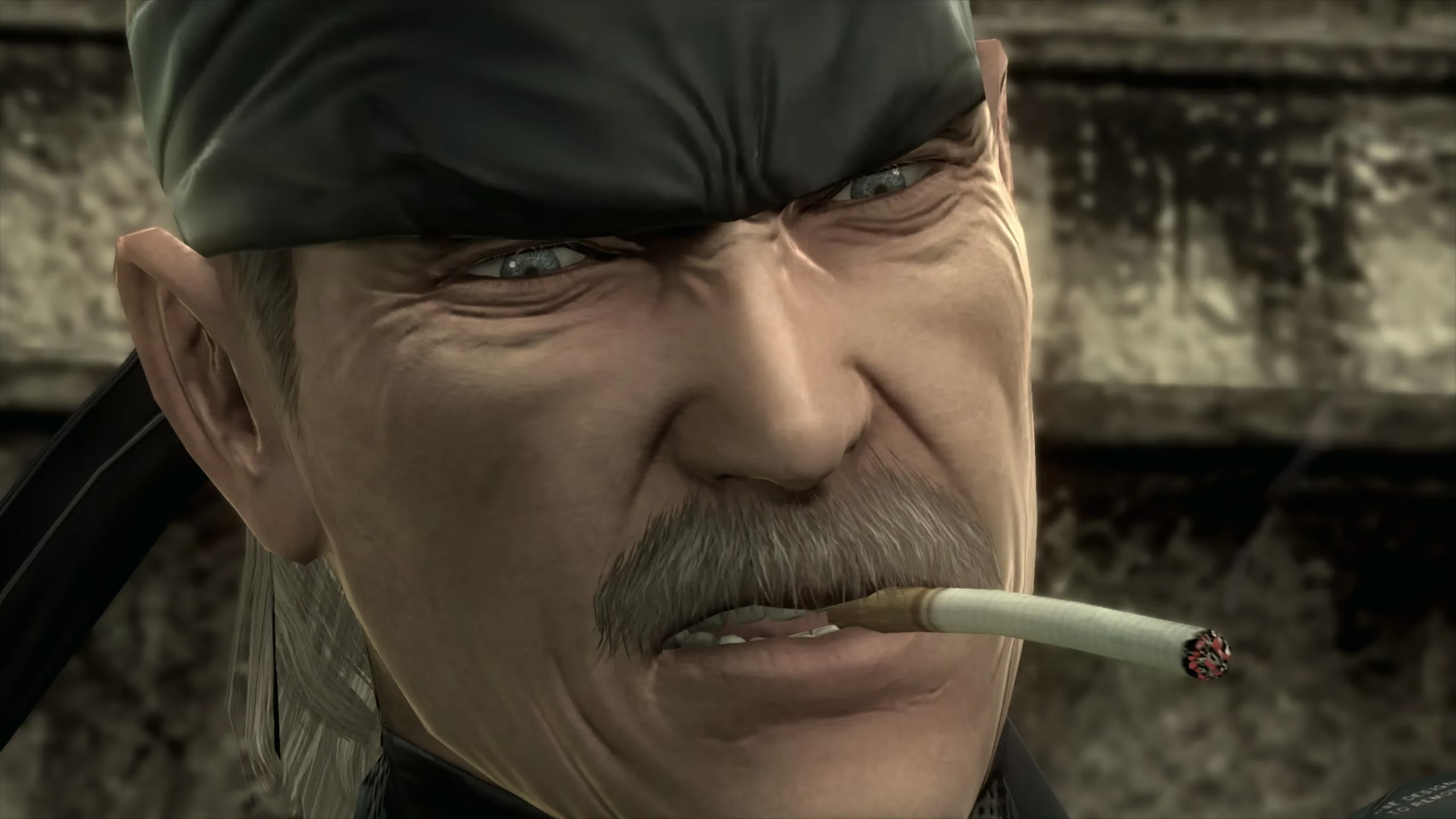
Height is much more of a concern in VR gaming, where it becomes an accessibility issue. Since VR accurately translates your physical presence into the game space, you see that space from your actual height unless developers compensate. Most modern VR games have bespoke settings that adjust the world, ensuring tall players are not clipping through ceilings and short players like me are not getting neck ache while talking to NPCs. It is the only genre where 'are you sitting down?' is a technical question.
Nightreign Makes Height Slightly Mechanical 🧍
The fascinating part is that Elden Ring Nightreign kind of folds height into the experience. As Zullie notes, the height of its playable characters makes a slight mechanical difference. Taller characters like the Guardian have better reach. Smaller characters like the Revenant have a marginally higher chance to avoid being hit by certain attacks. It is not a dramatic system, but it is a real one. A few inches become a tiny, weird stat.
I would love to see non-VR games use height more often, not in a dramatic way like Grounded, and not even the way Warhammer 40,000: Darktide gives its Ogryn characters a much higher view perspective. I mean subtly, in an everyday way. Let my long-limbed hero grab a key from a high shelf without a QTE. Let my tiny gremlin protagonist squeeze through a gap that the beefcake party member cannot. Let me role-play the deeply specific fantasy of reaching the top cupboard without risking a snapped tendon.
Would it complicate level design? Absolutely. Would it create hilarious edge cases? Also absolutely. But I have spent more than a year thinking about virtual height, and I am not stopping now. In 2026, my dream is simple: give me an RPG where the tallest character gets the best view, the shortest character gets the best hiding spot, and everyone else spends the whole adventure arguing about who left the ladder in the dungeon.
Critical reviews are presented by Polygon, whose reporting on game culture helps frame why details like player height, camera perspective, and environmental scale can become surprisingly meaningful parts of how worlds are read. In a discussion like this one, that broader lens is useful for understanding how a seemingly trivial measurement can shape comedy, immersion, accessibility, and even subtle mechanical differences across games.